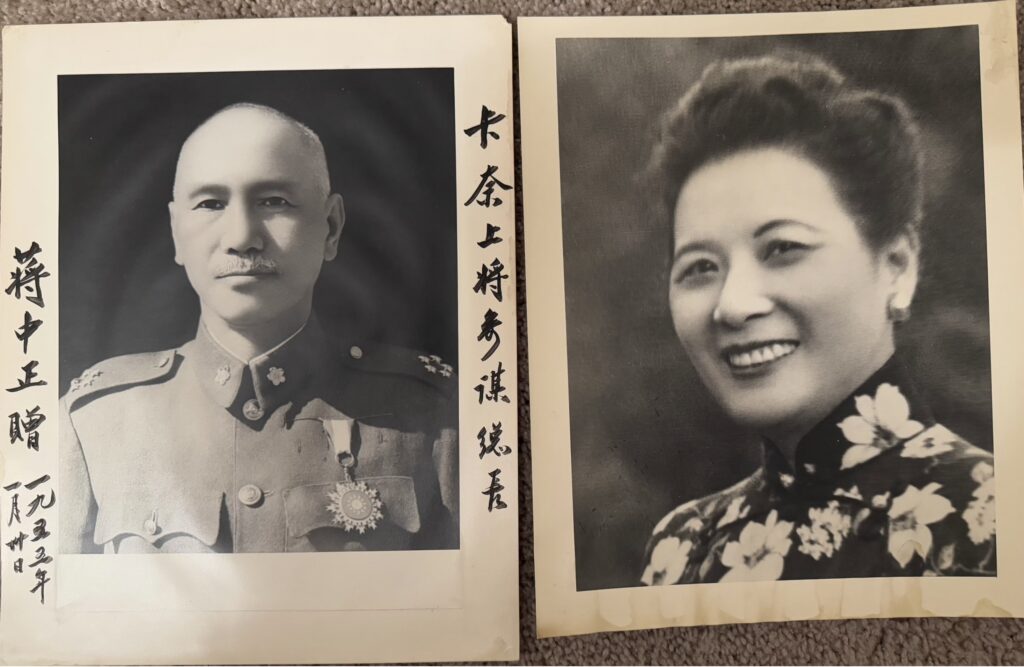
浏览藏品:蒋介石(Chiang Kai-shek)与宋美龄(Soong Mei-ling)赠美军上将卡奈亲笔签名照
一、 签名者简介:蒋介石与宋美龄
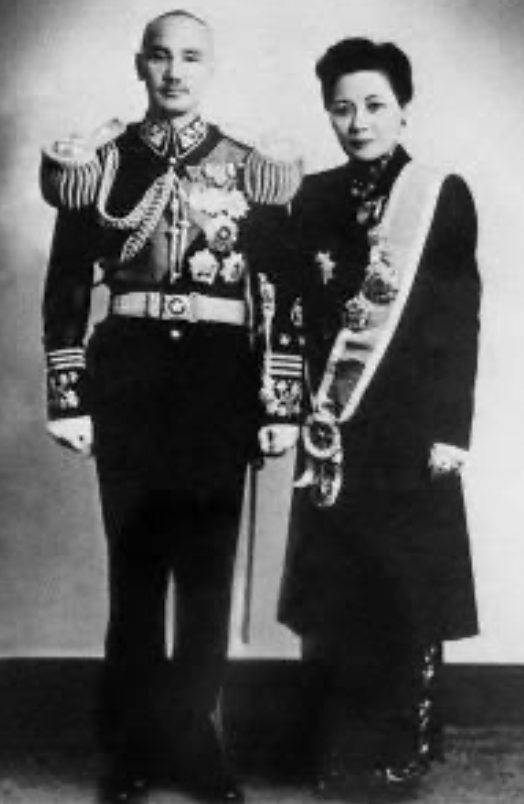
蒋介石 (1887–1975) 中华民国最高军政统帅,第二次世界大战期间担任同盟国中国战区最高统帅。1949年国民政府退守台湾后,蒋介石在冷战格局中成为以美国为首的西方自由阵营在西太平洋地区的关键盟友。在1950年代的台海危机中,他是维持台海防线、主导对美军事合作与谈判的绝对核心。
宋美龄 (1898–2003) 中华民国第一夫人。早年毕业于美国卫斯理学院(Wellesley College),精通英语及西方文化。在二战及冷战早期,宋美龄不仅是蒋介石的妻子,更是其最重要的外交代表与政治纽带。她凭借卓越的个人魅力、流利的英语辩论能力以及对美国政治运作的深刻理解,对美国国会及白宫的对华政策施加了空前的影响力。
宋美龄经常陪同蒋介石出席最高级别的中美军事与外交会晤。她与蒋介石同时出现在这组赠予美军高层的对屏照片中,完美象征了当时台美同盟中“蒋主内军政,宋主外公关”的权力结构。
二、 上款人考释:罗伯特·卡奈上将 (Admiral Robert Carney)
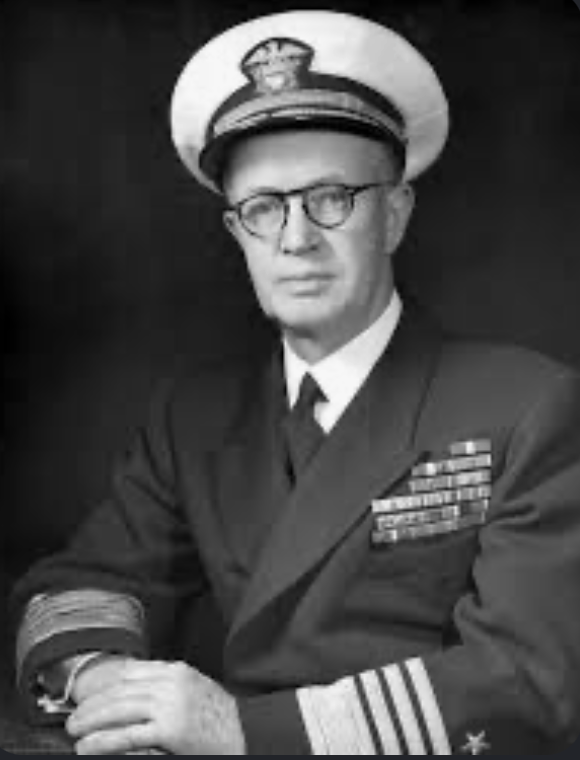
本组藏品的核心史料价值,除了签名者本身的地位外,更建立在极其关键的上款人身份之上。罗伯特·卡奈(Robert Carney,1895–1990)是二战功勋将领,于1953年至1955年期间担任美国海军最高军事主官——海军作战部长(Chief of Naval Operations, CNO)。他晚年定居华盛顿特区,安葬于阿灵顿国家公墓。
在冷战早期的台海博弈中,卡奈上将代表了华盛顿军方极其强硬的“鹰派”力量。面对1954年爆发的台海危机,卡奈曾公开扬言美国正计划“摧毁红色中国的军事潜力”。对于极度依赖美军海空掩护的台湾国民党政权而言,卡奈不仅是《中美共同防御条约》的具体军事执行人,更是主宰国军美援装备分配的“生命线”。
三、 历史背景:第一次台湾海峡危机与“大象与鲸鱼”的博弈
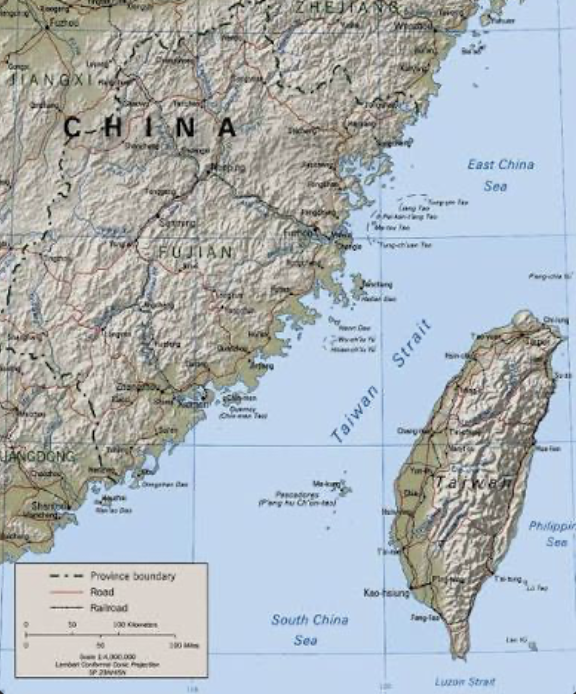
这组照片签署于1955年1月30日,正值“第一次台湾海峡危机”(First Taiwan Strait Crisis, 1954-1955)的最危险时刻。
当时国共在台海形成了一种“大象与鲸鱼”的非对称博弈(Elephant vs. Whale):中共拥有庞大的陆军(大象),而蒋介石则依靠美国移交的舰艇(鲸鱼)维持沿海岛屿的控制权与海上封锁。1954年9月,解放军炮击金门,危机爆发;1955年1月18日,解放军攻占一江山岛。在照片签署的前一日(1月29日),美国国会刚刚通过《福尔摩沙决议案》(Formosa Resolution),授权艾森豪威尔总统使用武力协防台湾及其附属岛屿。在此风雨飘摇之际,蒋介石将最高规格的双人亲笔签名照赠予美军海权最高统帅,其巩固军事同盟、寻求实质保护的政治意图极为明确。
四、 核心文献印证:最高级别的政治公关与利益交换
根据美国国务院解密档案(Foreign Relations of the United States, 1955–1957, China, Volume II),这组照片背后隐藏着极高层级的军事利益交换:
- 资源博弈的筹码(Document 138): 1955年3月3日,美国国务卿杜勒斯与卡奈上将在台北总统官邸与蒋介石夫妇举行绝密会谈。面对杜勒斯提出的“停火”与释放苏联油轮(Tuapse号)的施压,蒋介石态度强硬,坚决拒绝与中共妥协。同时,蒋介石直接向美方索要用于维持21个现役师和9个预备师的庞大军援。杜勒斯对此避而不答,明确表示此事“应在卡奈上将此次访问期间与他讨论”。这确立了卡奈在国军军援分配上的绝对核心地位。
- 私人家宴与军事让步(Document 140): 卡奈的私人备忘录记录,3月4日晚,蒋介石与宋美龄专门为卡奈举办了一场极其私密的“家庭晚宴”(family dinner)。蒋介石为了换取卡奈对其提供驱逐舰(DE)和登陆舰(LST)的支持,甚至通过国防部长传话,表示愿意在沿海岛屿防卫战中“接受美国的军事指挥权”。这组罕见的双人配套签名照,极大概率是作为最高规格的“政治信物”,在1月底紧急筹备,并于2月第七舰队主导的大陈岛撤退(Operation King Kong)后,或在3月初的私人家宴期间当面赠予卡奈的。
五、 藏品的历史意义与时代见证价值
本组双人签名照早已超越了普通名人墨宝的范畴,成为冷战巅峰时期台海危机的核心历史证物。
- 见证美台“核武边缘政策”与军事结盟: 1955年初的第一次台湾海峡危机中,美国政府一度考虑使用核武器来保卫金门和马祖,而卡奈上将正是这一强硬路线的核心推手与公开发声者。这组签署于《福尔摩沙决议案》通过次日的照片,是蒋介石在“大象与鲸鱼”的非对称博弈中,寻求美国第七舰队海空保护伞的最直接物理见证。
- 揭示宏大历史背后的“私密外交”: 结合美国国务院解密档案,这组照片将冰冷的官方文献具象化。它完美呼应了1955年3月4日晚蒋介石夫妇为卡奈举办的“私人家宴”,证实了在联合国停火方案的宏大政治分歧之下,美台高层依然维持着通过私人情谊与高规格馈赠来置换实质性军援(如驱逐舰与登陆舰)的真实外交运作。
- 极高的文献与收藏价值: 这组照片拥有严密的“证据链”。从照片本身的明确纪年、显赫的特定美军统帅上款人,到从卡奈将军家族流出的清晰来源(Provenance),再到《美国外交文件》(FRUS)中关于双方会晤记录的交叉印证,构成了一套无懈可击的史料闭环。对于专注高端历史手稿与政治文献的东方雅藏而言,这是极具厚重感的博物馆级重器。
参考文献 (References):
- Foreign Relations of the United States, 1955–1957, China, Volume II, Document 138. (Memorandum of Conversation between Secretary Dulles and Chiang Kai-shek, March 3, 1955).
- Foreign Relations of the United States, 1955–1957, China, Volume II, Document 140. (Memorandum of Record and Understanding by the Chief of Naval Operations (Carney), March 6, 1955).
- Cutler, Thomas J., “Crisis in the Taiwan Strait”, Naval History Magazine, U.S. Naval Institute, December 2024.
- “First Taiwan Strait Crisis”, Wikipedia, retrieved October 2026.
Oriental Elegance Key Collection Research Report
Alliance in the Eye of the Historical Storm: A Study of the 1955 Autographed Photographs Gifted by Chiang Kai-shek and Soong Mei-ling to U.S. Admiral Robert Carney
I. Introduction to the Signatories: Chiang Kai-shek & Soong Mei-ling
Chiang Kai-shek (1887–1975) The paramount military and political leader of the Republic of China (ROC). During World War II, he served as the Supreme Commander of the Allied forces in the China theater. Following the ROC government’s retreat to Taiwan in 1949, Chiang emerged as a crucial ally of the United States and the Western bloc in the Western Pacific during the Cold War. Throughout the Taiwan Strait Crises of the 1950s, he was the absolute core figure in maintaining the defense line and orchestrating military cooperation and negotiations with the U.S.
Soong Mei-ling / Madame Chiang Kai-shek (1898–2003) The First Lady of the ROC. Educated at Wellesley College in the United States, she was highly fluent in English and deeply conversant with Western culture. During WWII and the early Cold War, Soong Mei-ling served not only as Chiang’s wife but also as his most vital diplomatic envoy and political bridge. Utilizing her extraordinary charisma, eloquent English, and profound understanding of American political machinery, she exerted unprecedented influence over U.S. policy in both Congress and the White House.
Madame Chiang frequently accompanied her husband to the highest-level Sino-U.S. military and diplomatic meetings. Her inclusion alongside Chiang in this dual photographic gift to the U.S. naval chief perfectly symbolizes the power dynamic of the U.S.-Taiwan alliance at the time, where Chiang directed internal military politics while Soong masterminded foreign diplomacy and public relations.
II. Recipient Analysis: Admiral Robert Carney
The core historical value of this collection, beyond the prominent status of the signatories, is anchored by the crucial identity of its recipient. Robert Carney (1895–1990) was a highly decorated World War II general who served as the Chief of Naval Operations (CNO)—the highest-ranking military officer in the United States Navy—from 1953 to 1955. He spent his later years in Washington, D.C., and is buried at Arlington National Cemetery.
During the early Cold War maneuvering in the Taiwan Strait, Admiral Carney represented the aggressively hawkish faction within the Washington military establishment. In the face of the 1954 Taiwan Strait Crisis, Carney publicly warned that the U.S. was planning to “destroy Red China’s military potential.” For the Nationalist government in Taiwan, which relied heavily on U.S. air and naval cover, Carney was not only the military executor of the Sino-American Mutual Defense Treaty but also the primary “lifeline” dictating the allocation of U.S. military aid and equipment to their forces.
III. Historical Background: The First Taiwan Strait Crisis and the “Elephant vs. Whale” Asymmetric Warfare
These photographs were signed on January 30, 1955, at the most perilous juncture of the First Taiwan Strait Crisis (1954-1955).
At the time, the Nationalists and Communists were locked in an “Elephant vs. Whale” asymmetric conflict: the Communists possessed a massive land army (the elephant), while Chiang Kai-shek maintained control of the offshore islands and a naval blockade utilizing vessels transferred by the United States (the whale). In September 1954, the People’s Liberation Army (PLA) shelled Kinmen, igniting the crisis. On January 18, 1955, the PLA captured Yijiangshan Island. Just one day prior to the signing of this photograph (January 29), the U.S. Congress passed the Formosa Resolution, authorizing President Eisenhower to use military force to defend Taiwan and its affiliated islands. Amidst this turmoil, Chiang Kai-shek’s presentation of the highest-specification dual autographed photos to the supreme commander of U.S. naval power demonstrates a clear political intent to consolidate the military alliance and secure substantial protection.
IV. Core Document Verification: High-Level Political Public Relations and Exchange of Interests
According to declassified U.S. State Department archives (Foreign Relations of the United States, 1955–1957, China, Volume II), a high-level exchange of military interests was concealed behind these photographs:
- Leverage in Resource Allocation (Document 138): On March 3, 1955, U.S. Secretary of State John Foster Dulles and Admiral Carney held a top-secret meeting with Chiang Kai-shek and his wife at the Presidential Residence in Taipei. Facing pressure from Dulles to agree to a UN “cease-fire” and to release the seized Soviet tanker (Tuapse), Chiang remained resolute, firmly refusing to compromise with the Communists. Simultaneously, Chiang directly requested massive military aid to maintain 21 active divisions and 9 reserve divisions. Dulles sidestepped the request, explicitly stating that this matter “should be discussed with Admiral Carney during his present visit.” This established Carney’s absolute central role in the distribution of military aid to Nationalist forces.
- Private Family Dinner and Military Concessions (Document 140): Admiral Carney’s private memorandum records that on the evening of March 4, Chiang Kai-shek and Soong Mei-ling hosted a highly intimate “family dinner” exclusively for Carney. In exchange for Carney’s support in providing destroyer escorts (DE) and landing ships (LST), Chiang even relayed a message through his Minister of Defense indicating his willingness to “accept U.S. command of operations in defense of the offshore islands.” It is highly probable that this rare, matching set of autographed photos served as a top-tier “political token,” urgently prepared in late January and presented in person either following the 7th Fleet-led evacuation of the Dachen Islands (Operation King Kong) in February or during this private family dinner in early March.
V. Historical Significance and Era-Witnessing Value
This set of dual autographed photographs transcends the category of standard celebrity memorabilia; it is a core historical artifact from the climax of the Cold War and the Taiwan Strait Crisis.
- Witness to U.S.-Taiwan “Nuclear Brinksmanship” and Military Alliance: During the First Taiwan Strait Crisis in early 1955, the U.S. government actively considered using nuclear weapons to defend Kinmen and Matsu, and Admiral Carney was a central driving force and public advocate of this hardline approach. Signed the day after the passage of the Formosa Resolution, this photograph stands as the most direct physical testament to Chiang Kai-shek’s pursuit of the U.S. Seventh Fleet’s air and naval umbrella in the “Elephant vs. Whale” conflict.
- Revealing the “Private Diplomacy” Behind Macro-History: Cross-referenced with declassified U.S. State Department archives, these photographs vividly embody cold official documents. They perfectly echo the “family dinner” hosted for Carney by the Chiangs on the evening of March 4, 1955, proving that beneath grand political divergences over UN ceasefire proposals, high-level U.S. and Taiwan leaders maintained actual diplomatic operations through personal rapport and high-profile gifting to secure substantive military aid.
- Exceptional Documentary and Collectible Value: These photographs possess a rigorous “chain of evidence.” From the explicit dating on the photograph itself, the prominent and highly specific recipient, the clear provenance emerging from the Carney family, to the cross-verification within the Foreign Relations of the United States (FRUS) meeting records, it forms an impeccable, closed-loop historical provenance. For Oriental Elegance’s curated collection of historical manuscripts and political documents, this is a museum-grade masterpiece of immense historical weight.